


The Han Dynasty
The Dr Han Clinic draws its name and inspiration from the Han Dynasty (206 BCE – 220 CE).
This was a pivotal period in Chinese history and a foundational era for Traditional Chinese Medicine (TCM).
This period was instrumental in shaping acupuncture into a formalised, systematised practice, setting the stage for centuries of medical development.
While acupuncture existed before the Han Dynasty, it was during this time that it became widely practised and formally structured.
Ancient texts, such as the Huangdi Neijing (“The Yellow Emperor’s Inner Canon”), written in this era, provide the cornerstone of Chinese medical theory.
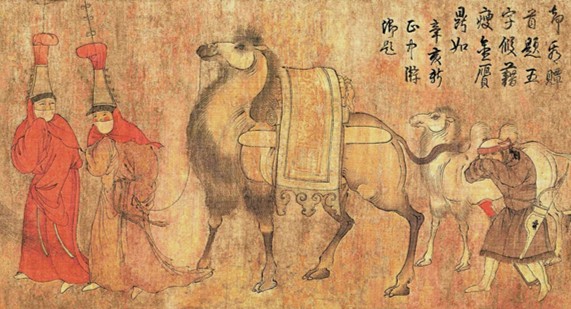
Honouring the Han Dynasty in Traditional Chinese Medicine
These seminal works introduced key concepts such as qi (vital energy), meridians (energy pathways), and the balance of Yin and Yang, which remain central to acupuncture practice today.
Acupuncture during the Han Dynasty involved precise insertion of fine needles into specific points along the body’s meridians to restore the natural flow of qi.
This approach was not only used for pain relief but also for treating a wide range of internal and chronic conditions, establishing acupuncture as a respected and integral part of healthcare.
The Han Dynasty’s contribution to medical science cannot be overstated.
By codifying acupuncture techniques and documenting them in authoritative texts, this era helped ensure that TCM evolved from anecdotal remedies into a structured, evidence-informed practice.
Today, clinics like the Dr Han Clinic in Romford, Essex, UK, continue this tradition, offering treatments that are both rooted in centuries of expertise and adapted for modern healthcare needs.
By integrating ancient wisdom with contemporary practices, our clinic demonstrates how Traditional Chinese Medicine can complement modern medicine, providing effective holistic solutions for a variety of health concerns, from stress management and musculoskeletal pain to digestive and respiratory issues.
